
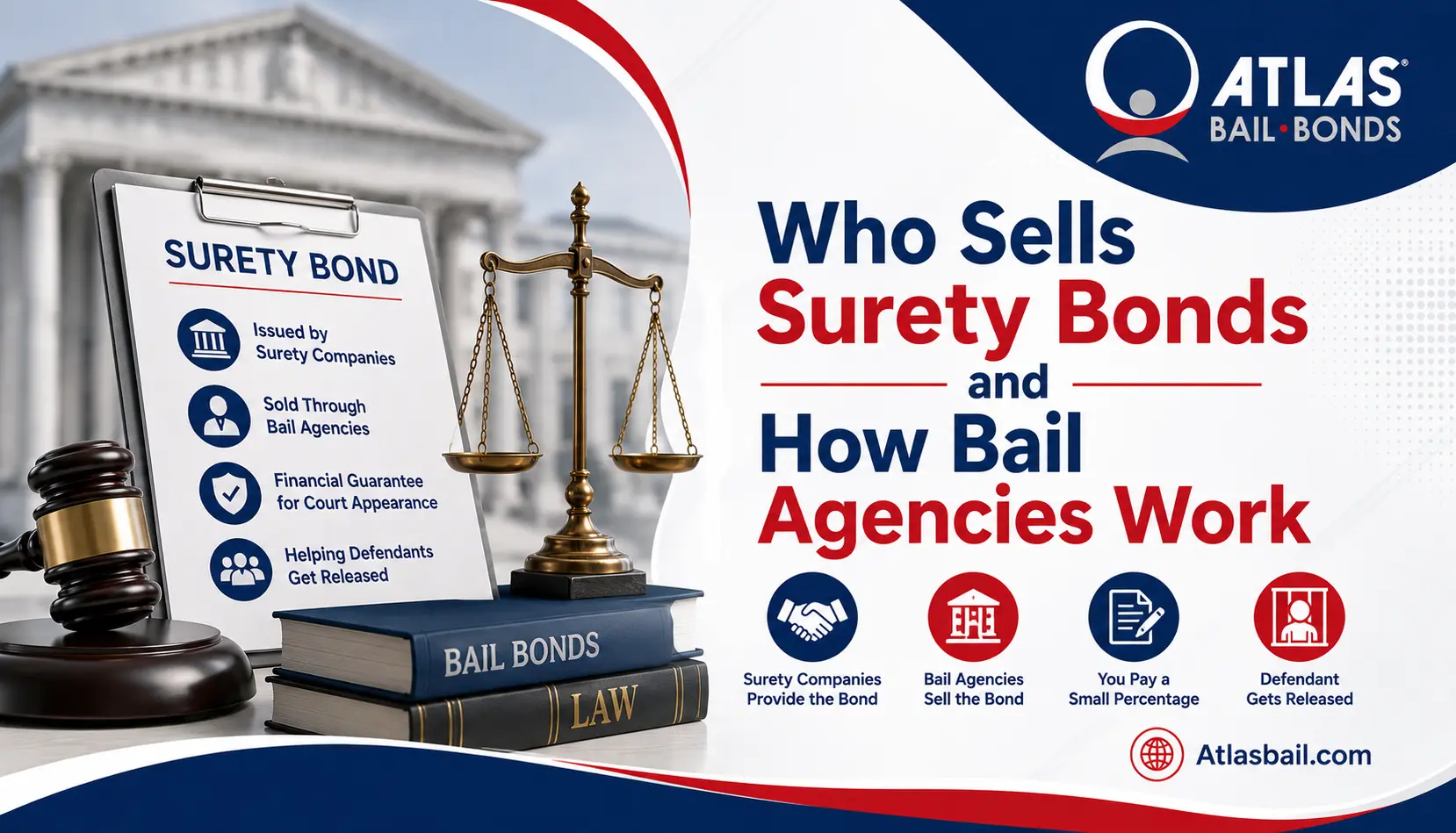
When someone is detained, knowing the bail procedure can make a strange situation simpler to direct. A surety bail bond can help a defendant get released without paying the total bail amount directly to the court. Understanding the difference between cash bail and surety bonds can support families verify their available choices and know the economic duties included. In case you are also wondering who sells surety bond products, certified bail bond companies or agents usually arrange them through trusted surety companies.
Who Sells Surety Bonds?
Surety bonds for bail are usually organized by certified bail bond agencies collaborating with authorized surety companies for bail bonds. A bail bond agency acts as the main point of contact for clients, helping complete paperwork and arrange the bond. The surety service offers economic backing depending on the applicable agreement, along with rules.
- Certified agents plan bonds.
- Surety companies offer financial support.
- Agencies deal with client applications.
- Premiums apply to the bond amount.
- Regulations differ by place.
How Do Surety Bonds Work in Bail Bond Agencies?
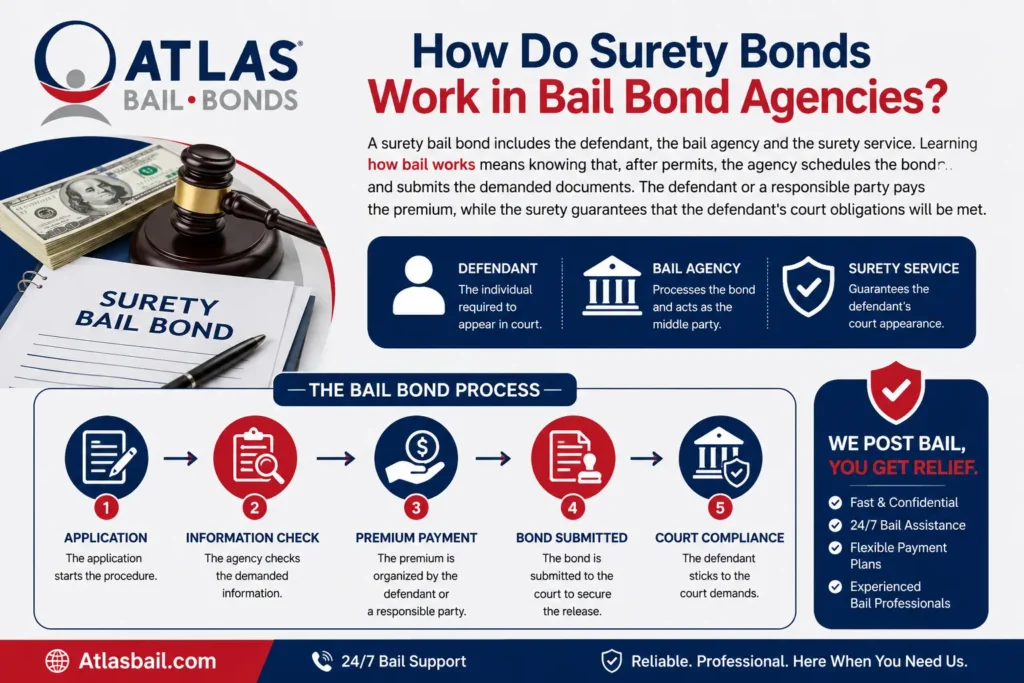
A surety bail bond includes the defendant, the bail agency and the surety service. Learning how bail works means knowing that, after permits, the agency schedules the bond and submits the demanded documents. The defendant or a responsible party pays the premium, while the surety guarantees that the defendant’s court obligations will be met.
- The application starts the procedure.
- Agency checks demanded information.
- Premium is organized.
- Bond is submitted.
- Defendant sticks to the court demands.
Surety Bonds vs. Insurance
Even though surety bonds and insurance both include economic risk, they function different goals. Insurance usually secures the insured against covered costs, while a surety bond ensures that a particular obligation will be met. In bail, the bail bond surety helps the defendant’s obligation to adhere to court demands and show up when necessary.
- Insurance transfers financial risk.
- Surety ensures an obligation.
- Bail includes court demands.
- Different parties have several duties.
- Contract terms decide responsibilities.
Types of Surety Bonds Used by Bail Bond Agencies
Bail bond services may collaborate with several types of bonds based on the court, legal authority, and circumstances related to the case. The most popular is the standard surety bail bond. Some situations may demand personalized bonds with added demands. Knowing the particular bond required by the court is critical before planning release.
- Typical surety bail bonds.
- Federal level bail bonds.
- Immigration-related bonds.
- Custom court bonds.
- Jurisdiction-particular bonds.
Are Surety Bonds Required for Bail?
A surety bond is not demanded in every bail situation. Courts may offer multiple release choices based on the case and local regulations. These can involve cash only bond, a personal release or a surety bond. A surety bond for bail bondsman becomes a choice when permitted by the court and relevant law.
- Courts establish bail conditions.
- Choices depend on jurisdiction.
- Cash may be demanded.
- Surety bonds include other parties.
- Court orders regulate release.
How Do Bail Bond Agencies Use Surety Bonds?
A bail bond agency utilizes surety arrangements to support eligible defendants secure release without offering the overall bail amount directly to the court. The agency deals with the transaction, gathers the applicable premium and completes the demanded documentation. Based on the circumstances, security or a co-signer may also be requested.
- Agencies arrange bond process.
- Sureties offer financial support.
- Clients pay demanded premiums.
- Collateral may sometimes take effect.
- Court responsibilities stay effective.

Author Bio
Julianna Morgan and Ethel Rangel are co-owners of AAA Atlas Bail Bonds, a family-owned Texas bail bond company that has been helping families navigate the bail process since 2009. Together, they have years of hands-on experience assisting clients with jail releases, bail bond requirements, court procedures, payment options, and the complexities of the Texas criminal justice system.
Through their work serving Dallas, Irving, Farmers Branch, Denton, and surrounding communities, Julianna and Ethel have helped thousands of families during difficult situations. They are committed to providing accurate, practical, and easy-to-understand information about bail bonds and the jail release process in Texas.