

When someone is detained, among the first concerns is how they can be discharged from detention while waiting for trial. This is where a bail agent takes center stage. A bail bondsman from AAA Atlas Bail Bonds functions as an economical surety who helps secure a defendant’s release by arranging bail on their behalf. Bail itself is a fixed amount of money decided by the court to make sure that the suspect returns for future court dates. Nevertheless, because bail charges can always be too high for individuals or families to bear the cost in advance, bail bond services offer a functional solution that eases the funding stress.
What Does a Bail Bondsman Do?
A bail bondsman submits a guarantee bond to the court, paying the entire bail amount demanded for a defendant’s discharge. In return, the defendant or their family settles the bondsman a non-returnable charge, generally a percentage of the overall bail amount. Once the bond is arranged, the defendant is released from jail, subject to the condition that they will attend all demanded court proceedings. The bail agent basically takes on the risk of the defendant not attending court, which is why they always check the situation mindfully before accepting to offer their services.
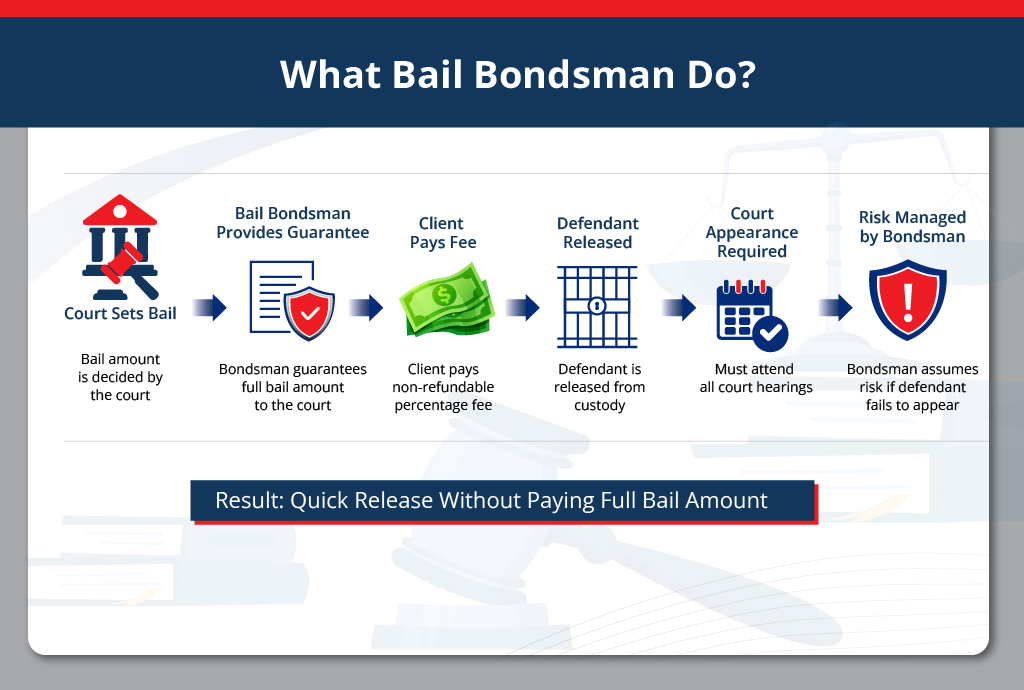
How Does the Bail Bond Process Work?
The Step-by-Step Bail Bond Process
The procedure begins instantly after an arrest when bail is determined by a judge. In case the defendant cannot be capable of paying the entire amount, they or their loved ones can reach a bail bonds agency. After collecting the needed information about the case as well as the charged individual, the bondsman checks the risk involved. In case accepted, resulting in the defendant’s release. Right from that point forward, the charged individual has to adhere to all legal rules, involving attending court hearings, to prevent issues.
Bail Bondsman Fees and Costs Explained
Among the most critical factors of collaborating with avail bondsman is grasping the cost planning. The payment made to the bondsman is non-returnable, even if the case is rejected or the defendant is found not guilty. In some circumstances, collateral like property, cars or other wealth may be demanded to secure the bond. This secures the bondsman if the defendant does not attend the court hearings. The precise fee percentage and demands can differ based on local rules and the details of the case.
Responsibilities of the Defendant and Indemnitor
When a bail bond is granted, both the defendant and the individual who accepts the terms take on some duties. The defendant has to show up to all court appearances and adhere to any conditions fixed by the court. At the same time, the indemnitor is economically accountable in case the defendant does not attend. This mutual duty makes sure responsibility and minimizes the hazard for the bail bondsman. It is super important to completely know their obligations before signing the agreement.
What Happens If the Defendant Skips Court?
Not attending court hearings can result in serious issues. In case a defendant fails to attend court hearings, the court may order a warrant for their arrest and forfeit the bail amount. In such circumstances, the bail bondsman may take steps to locate and return the charged individual to detention. This procedure can include collaborating with recovery agents, based on the laws in place. In case the defendant is not regained, the surety may be demanded to pay the entire bail amount or lose any collateral delivered.
How to Use a Bail Bondsman
If someone you know has been arrested and bail has been set, using a bail bondsman generally means:
- Contact a licensed bail bondsman as soon as bail is set — most operate 24/7, since arrests don’t happen on a schedule.
- Provide the defendant’s information: full name, date of birth, the jail where they’re being held, their booking number, and the charges.
- Agree to the fee and any collateral. You’ll pay the bondsman’s fee (typically 10–15% of the bail amount) and sign paperwork agreeing to the terms — including your responsibility if the defendant doesn’t show up to court.
- The bondsman posts bail with the court or jail. Processing time depends on how busy the facility is, but release is often within a few hours.
- The defendant is released and must attend every scheduled court date to keep the bond in good standing.
Benefits of Using a Bail Bonds Service
Utilizing a bail bondsman delivers various gains, particularly during challenging legal situations. It lets charged parties secure release rapidly without requiring the pay the overall amount in advance. This conveys they can come back to routine, help their family and better plan their legal case. In addition, seasoned bail bondsmen always help clients through the legal procedure, helping them understand what to anticipate and how to remain adherent to court demands.
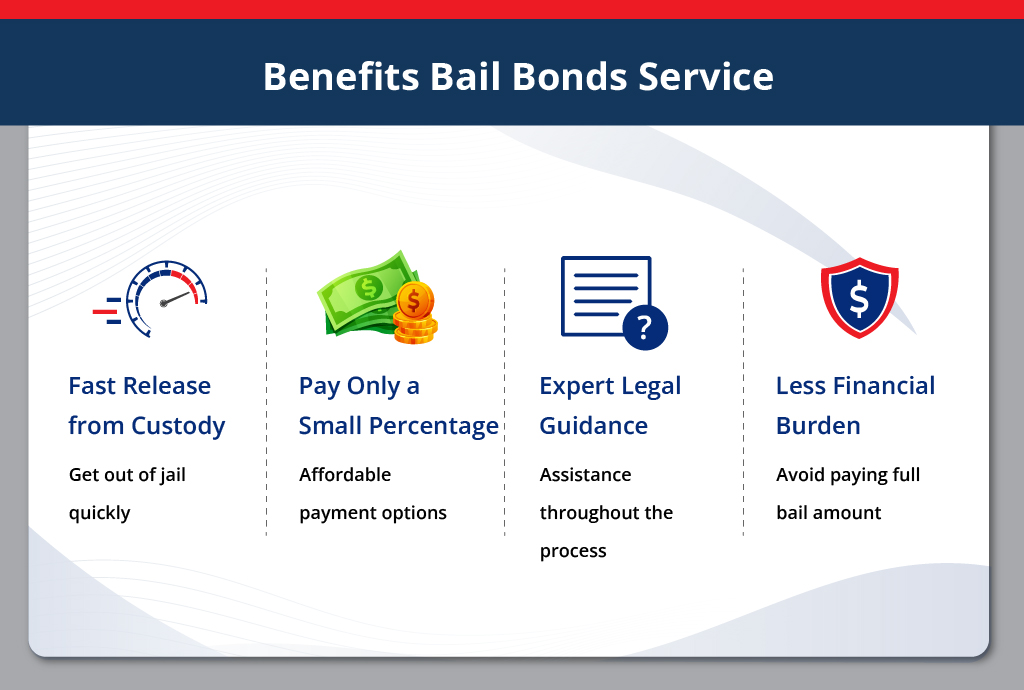
Directing the bail procedure can feel challenging, particularly for those unfamiliar with the legal system. A bail bondsman offers a valuable service by making it possible for defendants to secure short term freedom while waiting for trial. By knowing how bail bonds function, the related charges, and the duties included, individuals can make updated choices during challenging times. Regardless of whether you are looking for help for yourself or a favourite one, collaborating with a reliable provider such as AAA Atlas Bail Bonds can support make sure a clear and more feasible experience.
Read More: Tips for Choosing the Right Bail Bondsman

Author Bio
Julianna Morgan and Ethel Rangel are co-owners of AAA Atlas Bail Bonds, a family-owned Texas bail bond company that has been helping families navigate the bail process since 2009. Together, they have years of hands-on experience assisting clients with jail releases, bail bond requirements, court procedures, payment options, and the complexities of the Texas criminal justice system.
Through their work serving Dallas, Irving, Farmers Branch, Denton, and surrounding communities, Julianna and Ethel have helped thousands of families during difficult situations. They are committed to providing accurate, practical, and easy-to-understand information about bail bonds and the jail release process in Texas.