

When a person is released from custody on bail, a financial guarantee, known as a bond, is provided to ensure the individual shows up in court when they are required to do so. Once the case has concluded and all conditions of the bond have been fulfilled, it is then exonerated. While this is the conclusion of the bail obligation, many people do not understand what happens next. People who are co-signers for last-time bonds and defendants want to know what will happen with the bail, financially, legally, and their responsibilities after it is exonerated.
Confirmation of Case Completion
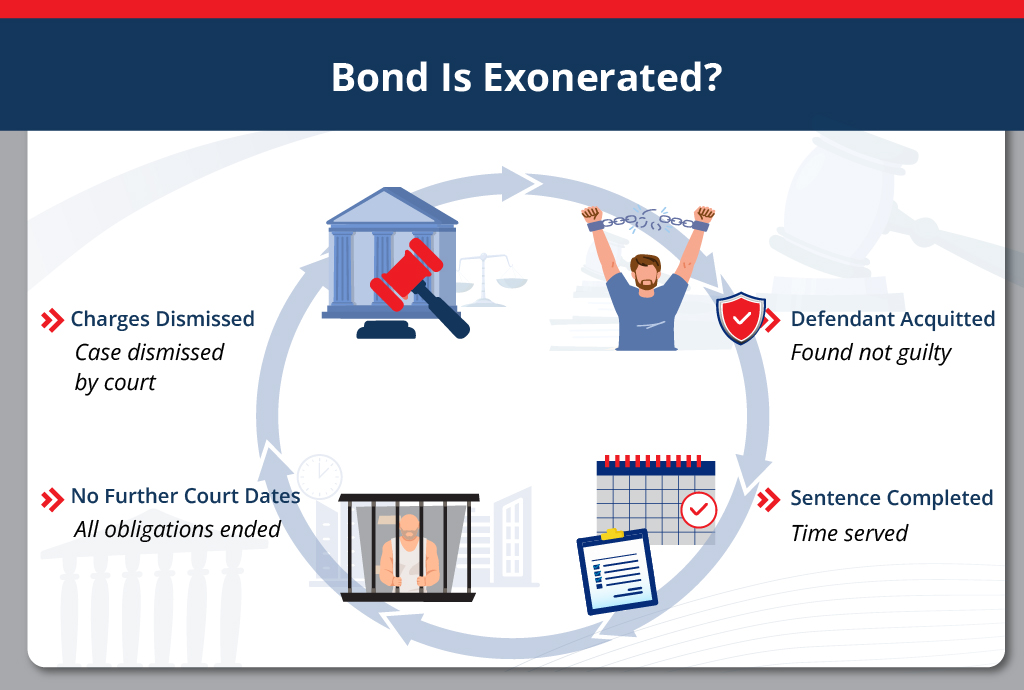
The exoneration of a bond is the first confirmation that the case has concluded. It is most commonly accomplished by the court dismissing charges against the defendant, acquitting the defendant, or completing the defendant’s sentencing. When the case has been determined to be complete, the court will issue an order that indicates the bond is no longer required. This is vital because it releases the bail bond company and the court from any future obligations related to the defendant’s appearance in court. It also confirms that there are no additional court dates or obligations due after the exoneration of the bond. Always confirm with the attorney or the court that all proceedings have been officially concluded. If one does not verify this, there could be future misunderstandings.
Notification to the Bail Bond Agency
After a bond is exonerated, the court will notify the bail bond agency (if it was a surety bond) that their financial obligation has ended and that they need to update their records to reflect that the bond has been closed. Depending on how long the court takes to process exoneration, this could take several days. Therefore, it is recommended that the defendant or a cosigner check with the bail bond agency at some point during this time frame to verify that the agency has received the exoneration paperwork and has properly closed the bond.
Release of Collateral
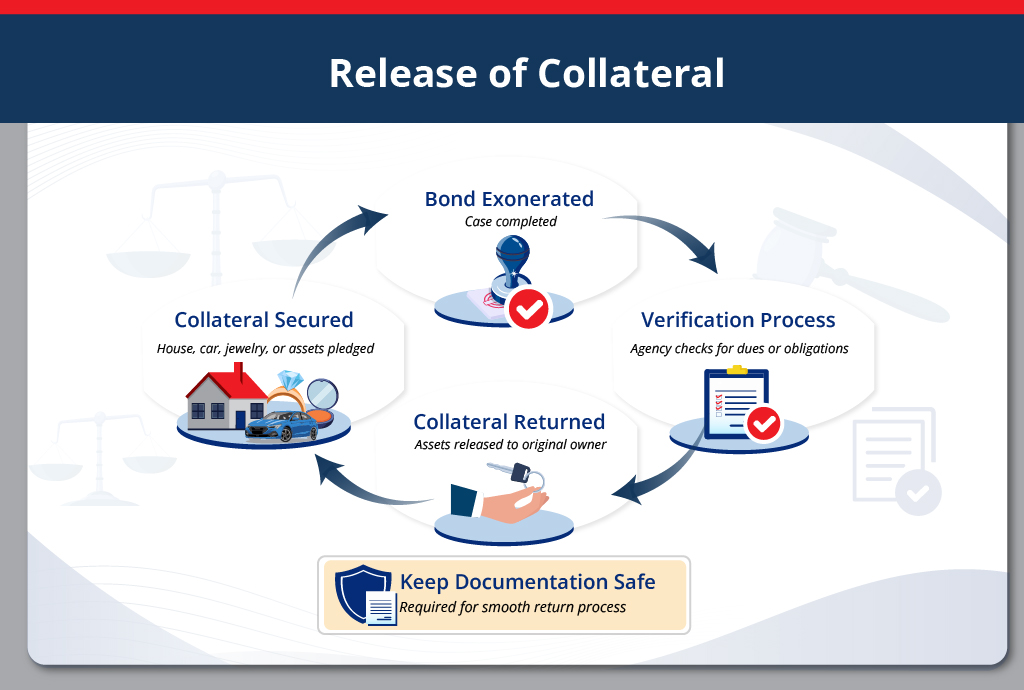
If collateral was placed to secure the bond—such as a house, a car, jewelry, or some other valuable personal property—then this is when it will be released back to the person who provided it. The bail bond company will begin releasing this collateral upon receiving notification of the exoneration. This process may not happen immediately, as the agency may need to perform internal verification or ensure there are no additional fees or debts owed. Upon completing this check, the bail bond agency will return the collateral to the individual who originally placed it up for bail. To ensure there are no issues with the return of collateral, it is recommended that the original collateral provider retain all documentation relating to the collateral until it has been returned.
Understanding Non-Refundable Fees
There is confusion among many people about whether the amount of a bail bond paid is refundable or not. The price of the bail bond agency’s service is the premium amount paid; the premium is not refundable after exoneration. The premium will be the agency’s charge for arranging the bond in order for the defendant to be released. Therefore, even though the bond is exonerated and the case is over, the premium will still be retained by the bail bond agency since it was compensation for the company’s work. The only thing that will be returned will be any collateral associated with the case.
Final Financial Reconciliation
You might also want to check if there were any unpaid administrative fees or payment plans connected to your bond and/or bail bond agency. In addition, you will want to verify that the co-signer has also completed any outstanding payments to the agency. After you have confirmed that all payments and/or administrative fees have been made and all documentation has been received, your financial relationship with the bail bond agency will be officially terminated. It is a good practice to keep your payment receipts and records for your own files as needed.
The Last Words
Bond premiums, which are non-refundable in nature, may catch some people off guard when they are first faced with the need to pay bond premiums. However, knowing what happens during each part of the process helps create expectations for everyone involved. By knowing what to expect and being proactive, AAA Atlas Bail Bonds involved in the process will find themselves with the confidence and clarity necessary to navigate through the period following the exoneration of the bond. Bail bond exoneration means a legal obligation no longer exists; therefore, it is a chance for a new beginning and freedom to go on with their lives without obligations from their past.
Do You Still Have to Pay After Bail Is Exonerated?
- You don’t have to pay anything new after exoneration
- The bail bond premium is non-refundable
- You must complete any remaining payment plan
- Your collateral will be returned (once obligations are cleared)